In the Media
Student Mobilization: What Is Changing and What Risks Should Be Considered
In the Media
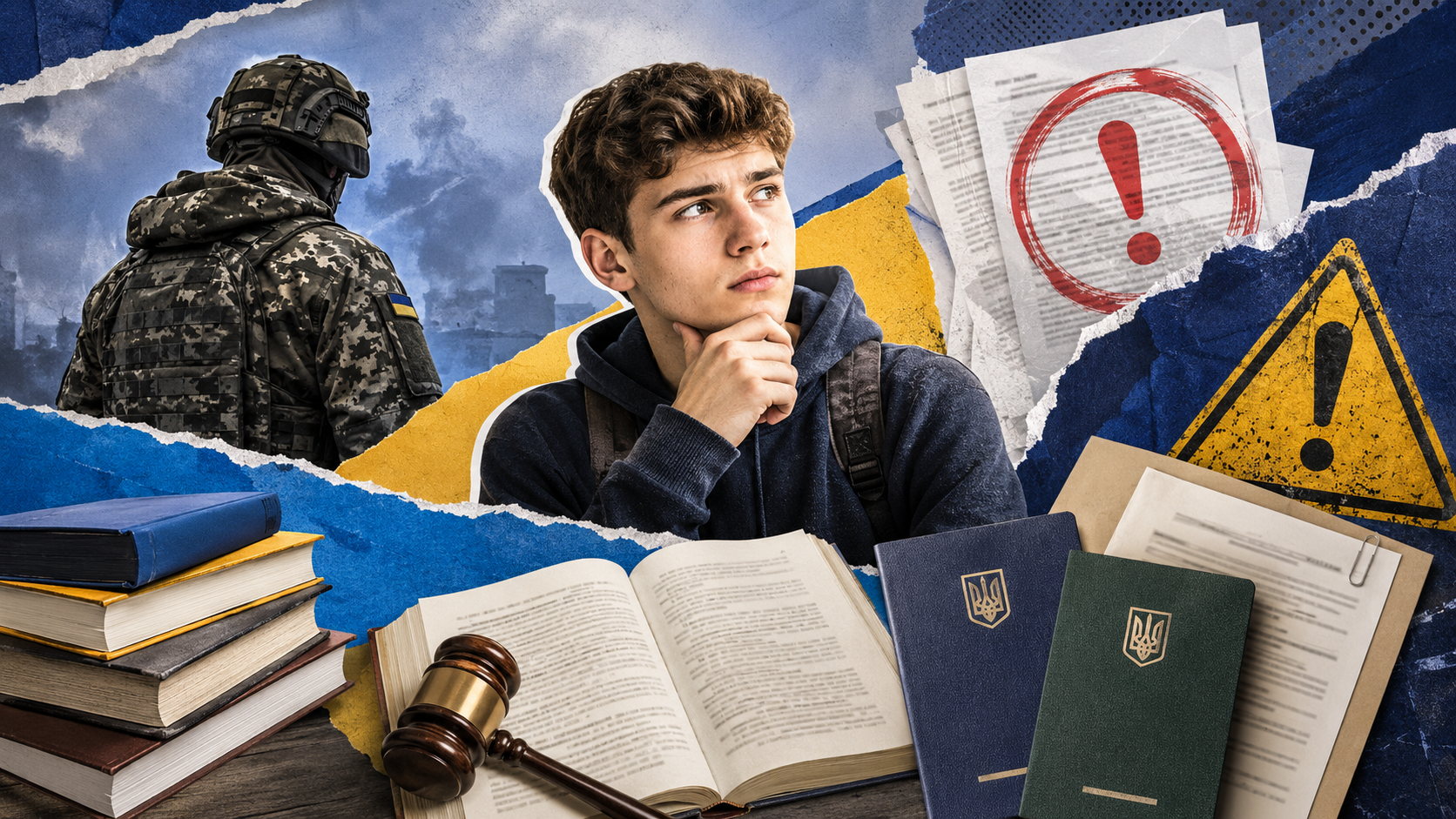
The issue of deferment from mobilization for students has once again come into focus due to new legislative initiatives. These involve possible changes that may affect the right to deferment and the approaches to its application.
The UNIAN article analyzes a new draft law that provides for a review of the grounds for granting deferment to students. In particular, it discusses the possibility of restricting this right for certain categories, as well as strengthening control over the grounds for obtaining it. This has caused significant public response, as it affects a large number of people and directly impacts the exercise of the right to education.
LESHCHENKO & PARTNERS attorney Danylo Triasmov, in a comment for the article, notes that any changes in the field of mobilization must comply with the principle of legal certainty and must not create situations in which a person cannot foresee the legal consequences of their actions. At the same time, it is important that legislative initiatives do not disrupt the balance between the state’s defense needs and guarantees of citizens’ constitutional rights.
According to the attorney, the key risk is not only the very fact of the possible cancellation or restriction of deferment, but also the way such changes are implemented in practice. In particular, this may lead to inconsistent application of the rules, an additional burden on territorial recruitment centers, and disputes regarding the legality of decisions.
What this means in practice and what students should do:
The topic of student mobilization remains sensitive and legally complex. That is why not only the content of legislative changes is important, but also their practical application and compliance with basic legal guarantees.